Zinc Die Casting Services

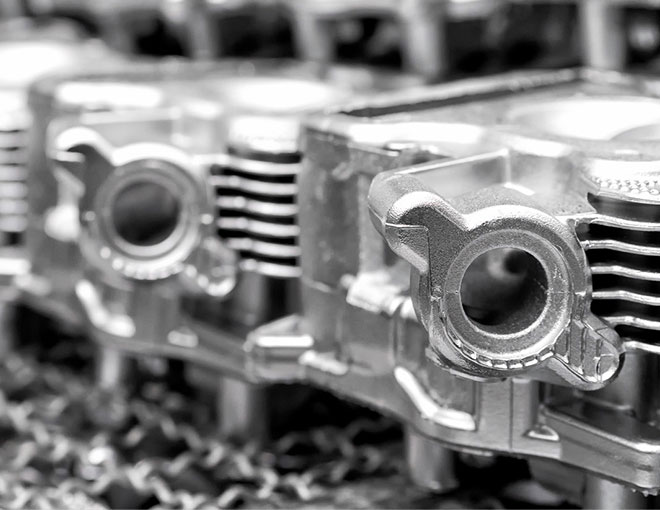
Zinc alloy die casting is a kind of precision casting method, which uses high pressure to force molten metal into a complex metal mold. Materials worked with are iron, SG iron, ductile iron, steel, stainless steel, aluminum and aluminum alloys, brass, bronze, copper, nickel, titanium, neoprene, ethylene-propylene, nitrile, silicone, styrene-butadiene, natural rubber, polypropylene, polystyrene, polyethylene, polycarbonate, ABS, PVC, and nylon. Also capable of molding, CNC machining, stamping, tooling, and finishing.

Zinc is the fourth most popular material in the metalworking industry that is shaped into die cast products. Because of its low melting point, it is among the easiest and least expensive (in terms of die caster energy consumption) metals to die cast. Zinc die castings are applied in contexts throughout industry, commerce, and even in consumer products contexts such as the machinery and Auto industries. Zinc alloy die casting is no better than other molding technologies. If you want to make good die-casting products, you should not only have a good die-casting machine, but also combine the mold, die-casting machine, and die-casting process to make a good product.

Zinc Die Casting Features

  • Good strength and hardness
  • Good casting performance, can be used for casting precision parts with complex shapes and thin walls, and the casting surface is smooth.
  • Surface treatment: electroplating, spraying and painting.
  • During melting and die casting, no iron absorption, no corrosion, no mold sticking.
  • High dimensional accuracy and stability.
  • It has good room temperature mechanical properties and wear resistance
  • Low melting point, melting at 385 ℃, it is easier to form than aluminum alloy die casting.

Zinc Die Casting At a Glance

Zamak 3, the most widely used zinc die casting alloy in North America, has a typical as-cast ultimate tensile strength of 283 MPa and a melting range of 381–387 °C. Zinc alloys such as Zamak 2, Zamak 3 and Zamak 5 are cast on hot-chamber machines; aluminum alloys such as A380 require cold-chamber machines because their higher melting temperature would damage a hot-chamber injection system.

  1. 283–359 MPa: Typical as-cast ultimate tensile strength across Zamak 3, Zamak 5 and Zamak 2 (ASTM B86).
  2. 381–387 °C: Melting range of Zamak 3, roughly 200 °C below aluminum production melt temperatures.
  3. 188 t: Maximum clamping force of our die casting machines (about 1,840 kN).
  4. 2× die life: Zinc dies run about 200,000 shots in our shop versus 100,000 shots for aluminum dies.

Zinc Die Casting Process

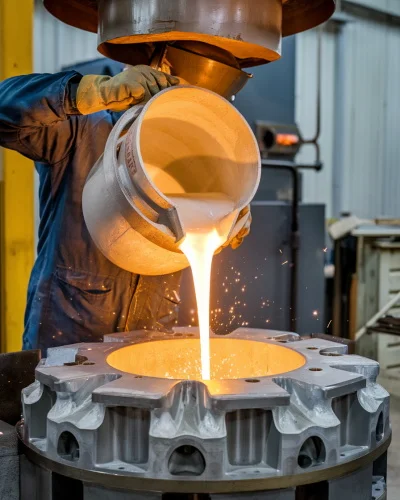
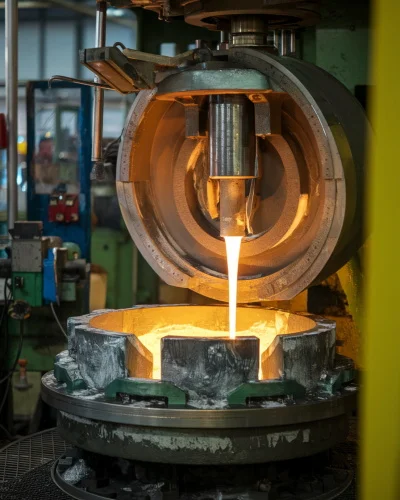
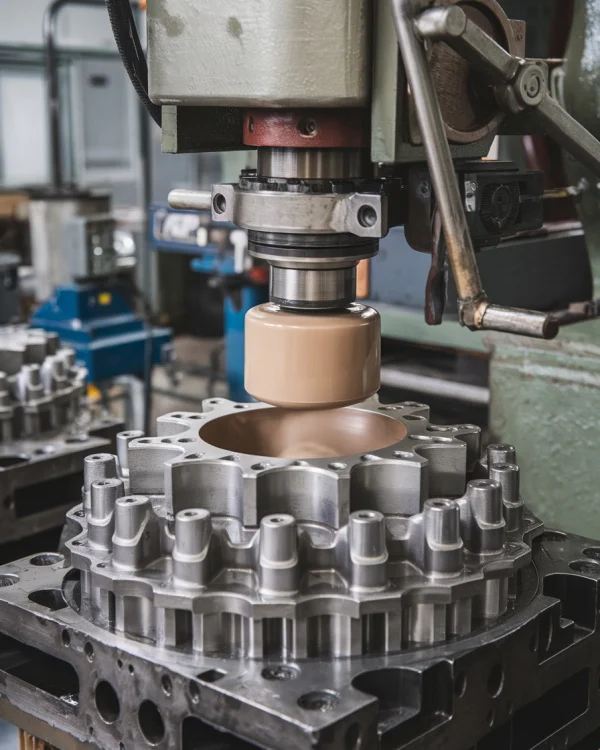
The zinc die casting process involves injecting molten zinc alloy into a steel die cavity, which is designed to create parts with precise shapes and dimensions. This high-pressure process begins with melting the zinc alloy, which is then forced into the die at high speed, allowing for rapid solidification and excellent dimensional accuracy.

The quick cooling of the molten metal against the cooler steel die results in superior mechanical properties, making zinc die castings stronger and more durable than those produced by other casting methods. Additionally, zinc die casting is known for its ability to produce complex geometries and thin-walled sections, which can significantly reduce material costs and weight.

Zinc Die Casting Process

Zinc Die Casting Applications

Zinc die casting is widely used across industries that require precision, dimensional stability, complex shapes, and consistent production quality. Its excellent castability makes it suitable for manufacturing small to medium-sized components with thin walls, detailed features, and smooth surface finishes.

Automotive

Zinc die casting is used to produce a variety of automotive components, including engine-related parts, transmission components, mounting brackets, interior hardware, and decorative trim. Its dimensional accuracy and ability to form complex shapes make it suitable for parts that require precise fitting, durable construction, and consistent quality in high-volume production.

Electronics

In the electronics industry, zinc die casting is commonly used for electronic housings, connector components, shielding enclosures, and other precision metal parts. Zinc alloys offer good dimensional stability and electromagnetic shielding properties, making them useful for protecting sensitive electronic components while maintaining accurate dimensions and compact designs.

Appliances

Zinc die casting is suitable for appliance components such as housings, handles, knobs, control parts, and structural hardware. Its excellent surface finish and design flexibility allow manufacturers to create functional components with attractive appearances. Zinc die cast parts can also be plated or finished to match different appliance designs and durability requirements. 

Zinc Die Casting vs Aluminium Die Castings: Key Numbers

Both zinc die casting and aluminum die casting are widely used in manufacturing, but the best choice depends on your specific application, cost considerations, and durability needs.

Table 1. Zinc (Zamak 3) vs aluminum (A380) die casting — typical as-cast properties.
Property Zinc die casting (Zamak 3) Aluminum die casting (A380)
Ultimate tensile strength 283 MPa (41 ksi) 317–324 MPa
Elongation at break 10 % 3.5 %
Brinell hardness 82 HB Varies by alloy and temper
Density 6.6 g/cm³ about 2.7 g/cm³
Melting / processing temperature 381–387 °C melting range above 600 °C melt in production
Die casting machine type Hot chamber Cold chamber
Die life in our production about 200,000 shots about 100,000 shots
Surface finishing Plating-ready, smooth as-cast surface Often needs additional finishing before plating

Zinc vs Aluminum Die Casting

Zamak 2, Zamak 3 and Zamak 5: Which Zinc Alloy Do We Cast? 

Table 2. Typical as-cast properties of the three Zamak grades we cast (ASTM B86).
Alloy (ASTM B86) Copper Tensile strength Yield strength Elongation Hardness Melting range Best for
Zamak 2 (AC43A) 2.6–3.3 % 359 MPa 283 MPa 7 % 100 HB 379–390 °C Highest strength, hardness and creep resistance
Zamak 3 (AC40A) 0.1 % max 283 MPa 221 MPa 10 % 82 HB 381–387 °C Default grade; best ductility and plating
Zamak 5 (AC41A) 0.7–1.2 % 328 MPa 269 MPa 7 % 91 HB 380–386 °C Higher strength and creep resistance, still plateable


China Custom Manufacturer Of Zinc Die Casting

Looking for high quality zinc die casting parts die cast by an experienced and reliable components manufacturer? As one of the leading die casting service companies in China, Junying can provide you with the best castings whether you are looking for zinc alloy castings, mold die castings, or aluminum zinc die castings. We provide one-stop customized zinc die castings with competitive prices to the global marketplace, plus a multitude of related services, including engineering, design, machining, finishing, and assembly. Enable to process the zinc die casting parts with stable and reliable quality according to customers’ specifications. We have advanced techniques, a professional engineering team, and modern die casters to ensure that the zinc die casting parts meet your requirements and achieve the demands for precision and productivity. Our zinc builder will manufacture the appropriate zinc die castings for you for cold chamber die casting machines with a maximum of 188 tons closing force.

What Are The Advantages Of Our Zinc Die Casting Services?

  • All of our zinc die castings are guaranteed to be shipped to you on time.
  • Our staff is dedicated to providing the highest levels of customer service to ensure full customer satisfaction every time.
  • Our zinc die casting alloy is ideal for those projects requiring complex shapes or unique requirements.
  • Our zinc die castings are of the highest quality.
  • Finish the parts on time to provide the strongest support for your R&D projects.
  • Do zinc die castings according to your drawings or samples
  • We offer customers full-service zinc alloy die castings and related capabilities from design to delivery. We work with a large variety of metal options, making us your one-stop source.

What is Zinc Die Casting Service?

Zinc alloy die casting is a precision casting method that uses high pressure to force molten metal into a complex mold. Zinc is one of the most used materials in the metalworking industry and is shaped into die cast products, known for its low melting point, making it among the easiest and least expensive metals to die cast.

Zinc die castings’ applications are throughout industry, commerce, and even in consumer product contexts such as Machinery and Auto markets. We offer the best quality zinc die casting services with various processing options, including molding, CNC machining, stamping, tooling, and finishing.

Zinc Die Casting Introduction

Characteristics of Zinc Alloy Die Castings

  • High specific gravity: Offers weight and texture with higher strength than injection molding
  • Excellent casting performance: Can manufacture precision parts with complex shapes and thin walls
  • Versatile surface finishes: Electroplating, spraying, painting, polishing, and grinding options
  • Non-reactive: Doesn’t absorb iron, corrode profiles, or stick to molds
  • Low melting point: Melts at 385°C, making it energy-efficient for die casting
  • Strong dimensional stability: Produces parts with precise tolerances
  • Vivid details: Capable of producing intricate relief patterns and designs
  • Cost-effective: Lower energy consumption compared to other metals

Zinc Die Casting Process

1

Material Preparation

Select appropriate zinc alloy and melt to optimal temperature (385-420°C)

2

Mold Preparation

Design and manufacture high-temperature-resistant molds

3

Die Casting

Inject molten zinc under high pressure into mold cavity

4

Cooling & Demolding

Allow parts to solidify before carefully removing them from the mold

5

Post Processing

Deburring, grinding, and polishing for final finish

6

Quality Inspection

Verify dimensions, appearance, and performance

Why Choose Us As Your Zinc Die Casting Supplier?

283–359 MPa

Three Zamak grades, one supplier

We cast Zamak 2 (359 MPa), Zamak 5 (328 MPa), and Zamak 3 (283 MPa), and recommend the grade by strength, ductility and plating requirements.

381–387 °C

Lower melt, shorter cycles

Zamak 3 melts roughly 200 °C below aluminum production temperatures, so we run hot-chamber machines with lower energy use and longer die life.

188 t

Clamping force up to 188 metric tons

About 1,840 kN of clamping force covers small precision components through medium-size housings.

2× die life

Lower tooling cost per part

Zinc dies run about 200,000 shots versus 100,000 for aluminum dies, and zinc parts are plating-ready with fewer finishing steps.

Zinc Die Casting Technical FAQ
1. What is the tensile strength of Zamak 3?

Zamak 3 (ASTM B86 AC40A) has a typical as-cast ultimate tensile strength of 283 MPa (41 ksi), a yield strength of 221 MPa and an elongation of 10 %.

2. Which is stronger, Zamak 3 or Zamak 5?

Zamak 5 is stronger with a tensile strength of 328 MPa and a hardness of 91 HB, versus 283 MPa and 82 HB for Zamak 3. Zamak 3 has better ductility (10 % vs 7 % elongation) and is the easiest grade to plate.

3. Is zinc die casting hot chamber or cold chamber?

Zinc alloys including Zamak 2, Zamak 3 and Zamak 5 are cast on hot-chamber machines. Aluminum alloys such as A380 require cold-chamber machines because their higher melting temperature would damage a hot-chamber injection system.

4. What is the melting range of Zamak 3?

Zamak 3 melts at 381–387 °C (718–728 °F). Zamak 2 melts at 379–390 °C and Zamak 5 at 380–386 °C.

5. How does zinc die casting compare with aluminum A380?

Zamak 3 delivers 283 MPa tensile strength, 10 % elongation and 6.6 g/cm³ density; A380 delivers 317–324 MPa, 3.5 % elongation and about 2.7 g/cm³. Choose zinc for thin walls, tight tolerances and plating; choose aluminum for lower weight and higher service temperatures.

  • die cast zinc alloy

Add Your Heading Text Here